

Every harvest season, India produces an abundance on a scale that few countries can match. This is understandable, given that India has a population of 1.4 billion to feed and the world’s largest area of arable land approximately 160 million hectares, representing about 50% of the country’s landmass.
In 2024–25, India’s horticulture production was estimated at 369.055 million tonnes, including 118.76 million tonnes of fruits and 215.684 million tonnes of vegetables. Furthermore, the country benefits from crop diversity, high production volumes, and year-round growing conditions. That is the starting point, but it is not the full story. The real opportunity lies not only in growing more, but also in helping what India already grows travel better, last longer, reduce waste, and reach higher-value markets. That is where frozen fruits and vegetables become important.
Why Frozen Matters to Jain Farm Fresh Foods
Jain Farm Fresh Foods sits at the intersection of this opportunity, combining strong farmer connections, processing expertise, frozen capabilities, global ingredient supply, and application-led customer relationships. As part of Jain Irrigation Systems Limited, India’s largest micro-irrigation and agricultural solutions provider, we operate at the heart of a complex and exciting agricultural value chain.
We work directly with growers. Over the past four decades, our micro- and drip-irrigation systems have served more than 10 million farmers. Building on this strong connection with the farming community, JFFFL processes frozen fruits and vegetables in India and the United States, including at its operations in California. This presence gives JFFFL direct exposure to the United States the world’s largest frozen-food market, and valuable insights into a highly developed frozen-food ecosystem.
Participation in global trade bodies such as the American Frozen Food Institute has provided valuable insights into the world’s largest frozen-food market in terms of size, penetration, and per-capita consumption. JFFFL has held a seat on AFFI’s Board of Directors for the past few years, and our CEO, Suvan Sharma, also served as Chair of the Board in 2025–26. He helped shape the association’s Strategic Plan for 2025–2028. The learnings have been immense in areas including consumer behaviour, food safety, sustainability, retail insights, perceptions of frozen food, innovation, and category growth. Much of this knowledge can be applied to the Indian market.
What More Can JFFFL do in Frozen F&V in India? 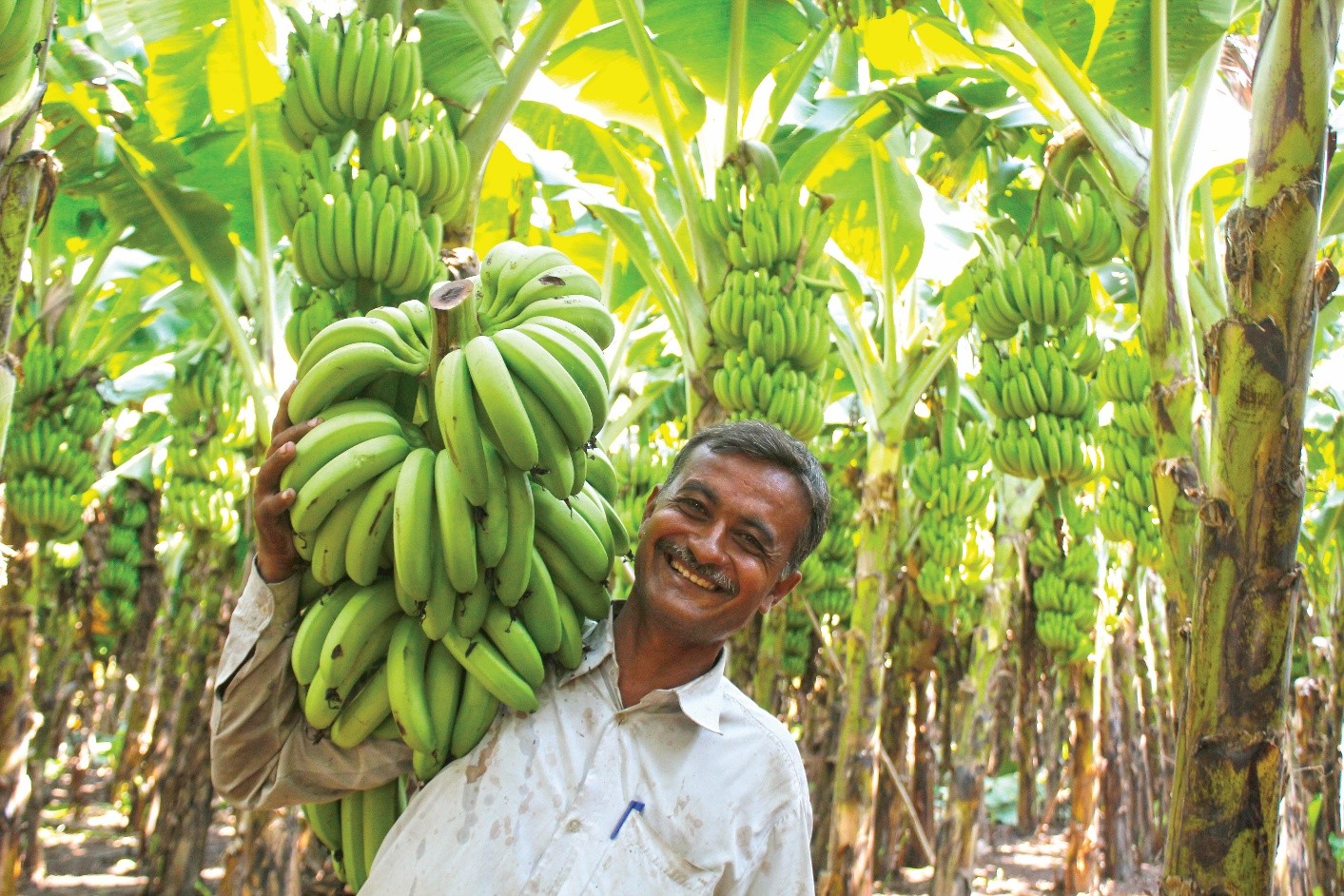
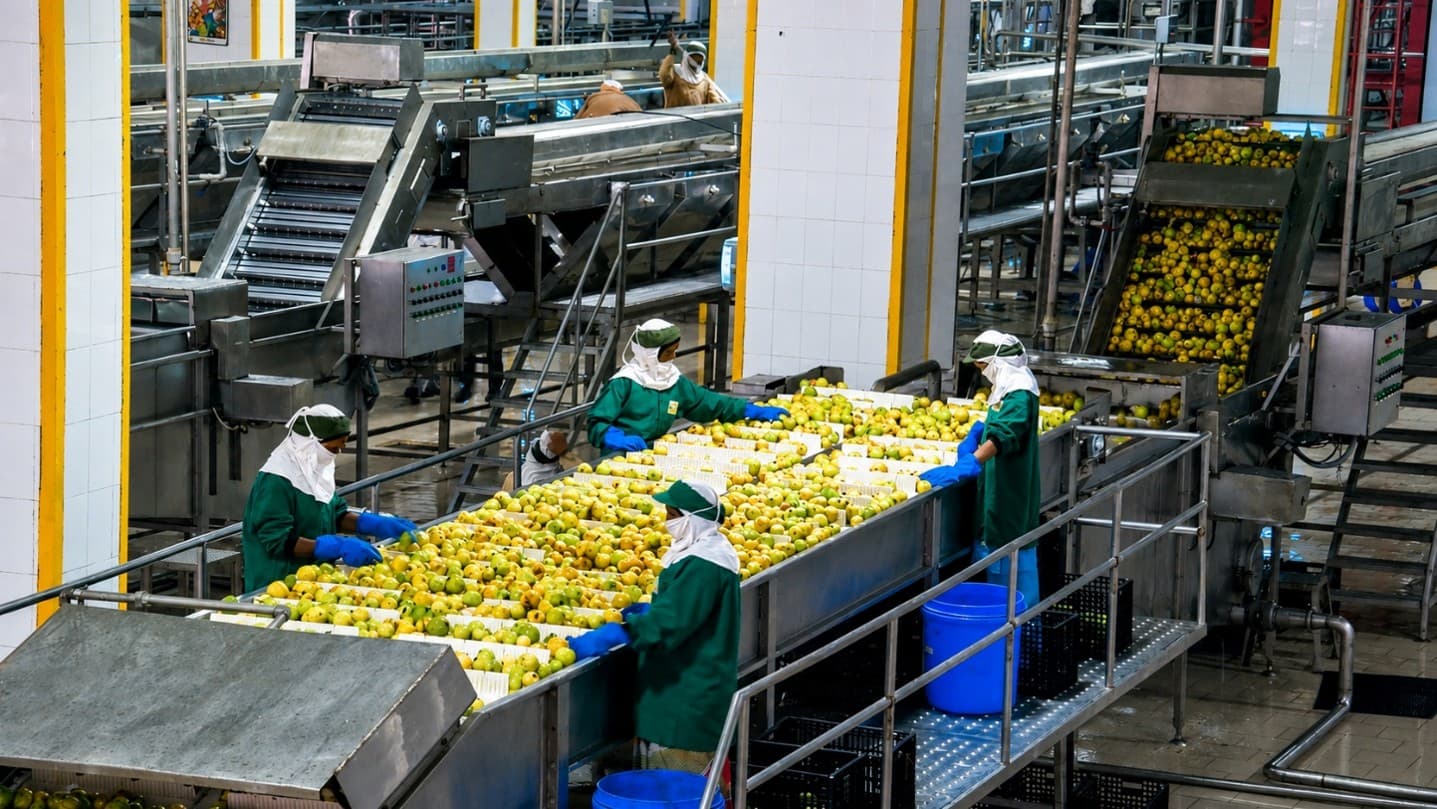
To begin with, JFFFL strongly believes that India’s frozen F&V opportunity cannot be realised through production alone. It requires processing discipline, a dependable cold chain, traceability, and the ability to serve different customers in different formats. Jain has worked with more than 10,000 contract farmers, which helps solve many supply-related issues. However, more needs to be done, as outlined below.
Mature markets reflect the gap
Looking at the learnings from mature markets, frozen food has moved far beyond its old image as merely a convenient option. Germany offers a useful benchmark. In 1955, frozen food made a landmark appearance before the German retail trade at Anuga in Cologne. Seventy years later, the category has become part of everyday food culture. According to the German Frozen Food Institute, 96% of German households buy frozen products. In 2024, frozen food sales crossed four million tonnes, and per-capita consumption reached a record 50 kg. The U.S. shows the same maturity in a different way. AFFI and FMI’s 2026 Power of Frozen in Retail report found that 40% of U.S. consumers use frozen foods every few days or daily, while 77% buy frozen foods with a specific meal or day in mind. Three in four consumers combine fresh and frozen ingredients in the same meal.
The gap with India is striking. Industry benchmarks suggest that India consumes only about 400 grams of frozen food per person per year, compared with over 25 kg in the U.S. While this is a directional benchmark rather than a strict government statistic, the message is clear: frozen food in India is still at the beginning of its adoption curve. The market value gap tells the same story. U.S. frozen-food sales reached about $74 billion in 2023, while India’s frozen food market is estimated at INR 216.59 billion in 2025. While price, currency, category mix and consumption habits differ, it is still a powerful signal of category maturity. In mature markets, frozen food is not emergency stock; it is part of meal planning, waste reduction, convenience, variety and everyday access to nutrition. That is the gap India must study.
India’s opportunity is different
India’s opportunity does not need to copy the Western frozen aisle, which is often built around berries, peas, fries, mixed vegetables, desserts, and ready meals. India’s strength comes from tropical fruits, high-volume vegetables and crops deeply connected to Indian farming and food culture. For decades, India has built strong positions in processed formats such as mango pulp, purées, dehydrated onion, spices and fruit preparations. The next step is to use this foundation to build higher-value frozen and application-ready formats.
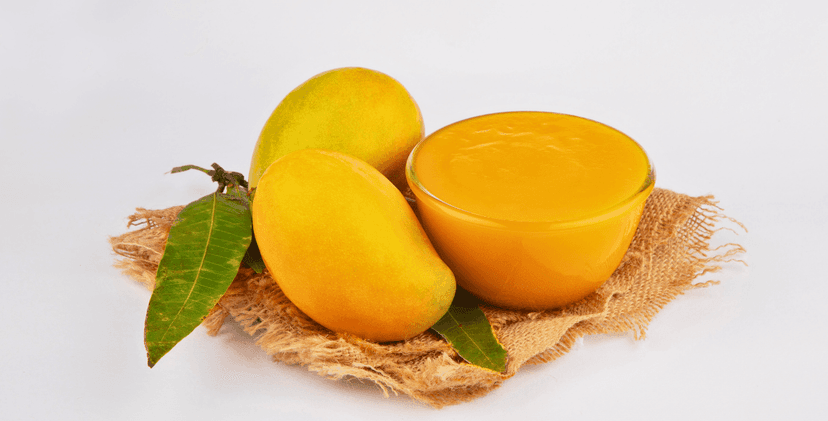
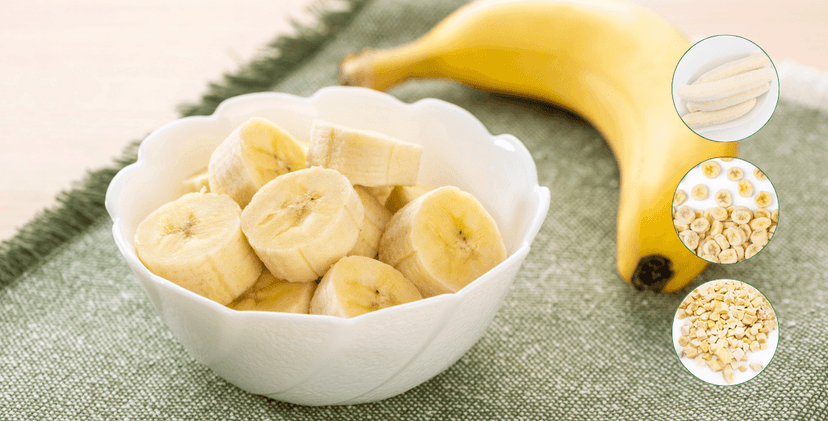
A mango should not be viewed only as fresh fruit or pulp. It can become a year-round ingredient for smoothies, dairy, bakery, beverages, breakfast bowls and foodservice menus. Banana, guava, papaya and pomegranate can also move into reliable frozen formats and blends for manufacturers, chefs and modern retail. This is where frozen F&V becomes more than preservation. It becomes a way to convert India’s seasonal crop strength into consistent, market-ready value.
The market is growing, but the F&V gap remains
India’s frozen food market is no longer a small niche. IMARC estimates the Indian frozen foods market at INR 216.59 billion in 2025, and projects it to reach INR 643.64 billion by 2034 at a CAGR of 12.86%. Within this market, frozen fruits and vegetables are estimated to account for 28% in 2025. But the larger share still sits with frozen vegetable snacks, which account for 52% of the market.
This tells us something important. Frozen food is growing in India, but growth is still led more by snacks and convenience formats than by core fruits and vegetables. For a country with India’s horticulture scale, that gap is significant. The next phase of growth will not come from simply adding more frozen products. It will come from better frozen F&V: application-led, consistently available, supported by stronger cold chain and visible at the point of purchase.
The bottleneck is flow, power and frozen space
For frozen F&V, cold chain cannot be treated as storage alone. It is a flow system. The chain starts at harvest and undergoes a series of steps before finally reaching the consumer or foodservice kitchen. If one part fails, the product suffers. India has made progress in cold storage, but the system remains uneven. MoFPI’s 2025 sector data notes that India has 8,690 cold storage units with 39 million metric tonnes of capacity, covering about 15% of fruit and vegetable output. However, less than 5% of output is pre-cooled or moved through reefer transport. Along with more storage, India needs better cold-chain movement. For fresh produce, time is the enemy. For frozen produce, temperature discipline is the promise. The entire system must protect that promise.
Infrastructure is not only about cold rooms and trucks but also about electricity. A frozen product depends on consistent temperature control throughout. Power cuts, voltage fluctuations and equipment failures can break both, the cold chain and the promise of quality. This is why power reliability matters as much as freezer capacity. In May 2026, India’s peak power demand crossed 270 GW during a severe heatwave. For frozen supply chains, this is not a background issue, it is a category-building issue.
India must also make the journey from chilled to frozen. In India, chilled food has greater everyday familiarity than frozen food. Cold-storage facilities, retail cabinets, and home refrigerators often allocate more space to chilled products than to frozen ones. In advanced frozen-food markets, the distinction between chilled and frozen products is clearer across warehouses, retail stores, and homes. If frozen space remains limited at warehouse, retail, and household levels, frozen-food purchases will remain limited as well.
The freezer is the new shelf
In packaged foods, shelf space drives visibility. In frozen food, freezer space drives the market. Frozen F&V competes inside a limited freezer environment against ice cream, snacks, meat, seafood, desserts and ready meals. If fruits and vegetables do not get reliable freezer space, clear merchandising and enough variety, they remain hidden from the consumer.
Safal offers an important India-specific reference point. Mother Dairy describes Safal as a pioneer in frozen vegetables in India, with products such as frozen peas, mixed vegetables, sweet corn and jackfruit. It also operates about 400 retail outlets in Delhi-NCR and 23 in Bengaluru, serving more than 1.5 lakh customers per day. That proves Indian consumers can accept frozen vegetables when distribution, trust and availability come together. But the market has changed. Modern trade, quick commerce, foodservice and institutional kitchens are now equally important. The next stage of frozen F&V growth will come from a network of freezer points: retail cabinets, distributor freezers, dark stores, foodservice kitchens and eventually larger home-freezer habits. So, the question is no longer only whether India can produce frozen F&V. The sharper question is whether frozen F&V can stay frozen, stay visible, and be bought often enough.
Frozen can also support access to nutrition
The value of frozen food is not only commercial. It can also support better access to nutrition. Globally, food deserts are understood as areas where people have limited access to affordable, healthy food. In India, the issue may look different. It is not only about geography, but also about dietary imbalance. Access to calories may be high, but access to dietary variety, fruits, vegetables and protein-rich foods is often limited.
Frozen food cannot solve this alone, but it can be part of the solution. Frozen F&V can make seasonal produce available beyond harvest months. It can help schools, hospitals, hostels, institutional kitchens, cafés, QSRs and urban households access consistent ingredients with lower preparation waste. It can also support better meal formats where fruits and vegetables combine with pulses, dairy, grains and other protein sources. The answer is not more processed food; the answer is smarter processed food: simple, nutritious, application-ready frozen ingredients that make balanced eating easier.
New channels can accelerate adoption
India may not build its frozen F&V category exactly like Europe or the United States, where supermarket freezer aisles played a central role. In India, the next freezer aisle may also sit inside quick-commerce dark stores, foodservice distribution networks and institutional kitchens. Quick commerce can create a controlled frozen assortment closer to the consumer. Bain and Flipkart’s 2025 report noted that quick commerce accounted for more than two-thirds of all e-grocery orders in India in 2024 and is expected to grow by more than 40% annually until 2030. Foodservice is equally important. Restaurants, cafés, QSR chains, bakeries, cloud kitchens and institutional kitchens need consistency, portion control, speed and year-round availability. These are exactly the problems frozen F&V can solve.
This means growth must be application-led. For households, that could mean fruit blends, ready-to-cook vegetables and portion-controlled packs. For cafés and beverage chains, it could mean consistent fruit formats for smoothies, bowls and desserts. For bakeries, dairy brands and QSRs, it could mean inclusions, toppings, fillings and vegetables that reduce preparation time, improve consistency and lower kitchen waste. This is where India’s scale becomes valuable: not only as raw production, but as dependable processed supply.
The way forward
India has already proven its horticulture scale. The next chapter is about converting that scale into year-round value. That will require four shifts: moving from storage to flow, from chilled to frozen, from limited freezer space to stronger last-mile visibility, and from generic packs to application-led formats.
Frozen F&V is not about replacing fresh produce. It is about extending the value of fresh produce beyond the limits of season, distance and time. For India’s fruits and vegetables, the freezer is not the end of the story. It may be where the next chapter begins.