Our Founder Chairman Dr. Bhavarlal Jain set us a mission four decades ago, "Leave this world better than you found it". His vision reflects in all our endeavours as we grow as an organization and progress as a business. Strongly driven by our founder’s conviction, we bring innovations in the field of agriculture, irrigation, food technology & green energy.
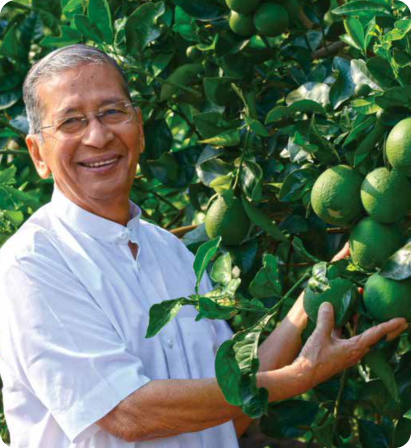
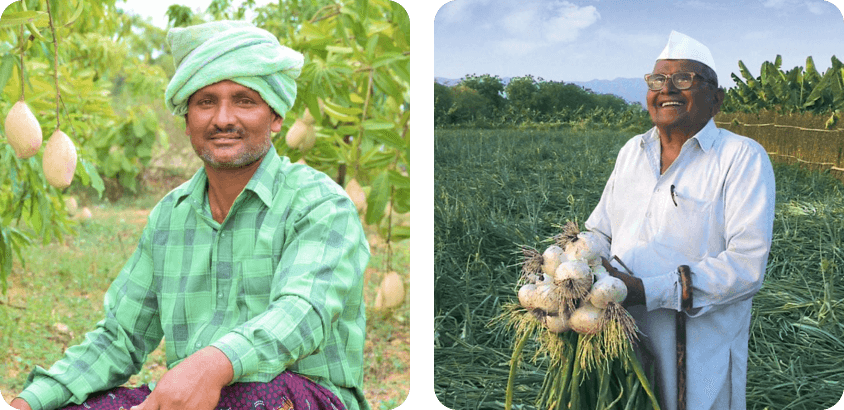
Our Agri - Business model is designed on the concept of "Resource to Root" which not only addresses the water, energy and food security, but especially helps the smallholder farmers to improve their incomes substantially. We have been able to transform the lives of millions of farmers with our micro-irrigation and green energy technologies that save water, electricity, fertilizers and increase the produce twofold or even threefold.
We aim to evolve through innovation, enhance stakeholder engagement, expand our geographical presence, and widen our market network globally. All this, while strengthening cash flows and de-leveraging our balance sheet. We are confident that with our Resource to Root approach, we are poised to give a new meaning to Agri–business in India and across the globe.

We protect the natural habitats for the native flora & fauna and conserve biodiversity in our premises spanning across 2500 acres in India. The initiative is allied with watershed development, soil conservation and guided with systematic biodiversity action plan.
We train the farmers in good agricultural practices, and our experts advise them through every stage of farming, right from sowing to harvesting. We are deeply invested in improving the economic condition of our contract farmers and buy back their farm produce at pre-determined prices to assure them of fair returns.

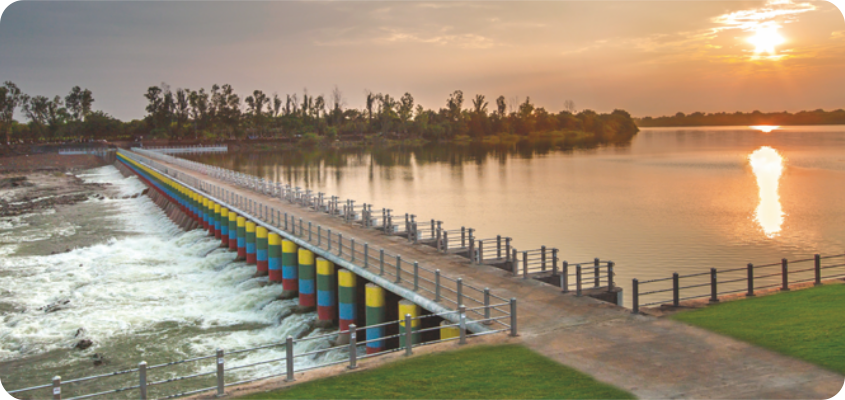
The Kantai Dam is a path-breaking project of a Public-Private Partnership and first-of-its-kind in Maharashtra. After receiving the plan and the go- ahead from the Tapi Patbandhare Vikas Mahamandal, the Jain Irrigation team of engineers swung into action and in a little over 9 months, the Kantai Dam across the Girna river was completed.
In spite of constructing and maintaining the dam with its own resources, we agreed to use only 50% of the water , that too on a duly charged basis, and kept the other half for the community. For us as a food processing company, this dam ensures sustainable and assured supply of water all round the year. It serves the ecosystem, provides year round water availability, reduces flash floods in downstream area and the backwaters support fisheries.
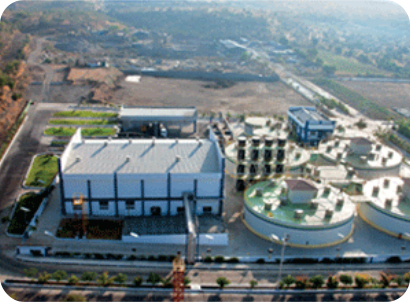
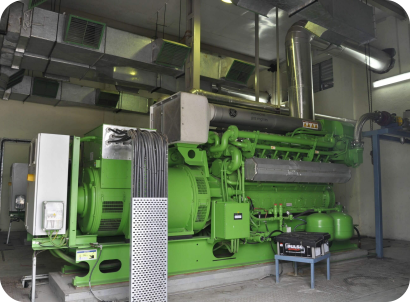
We have adopted a uniquely sustainable method to handle the huge waste generated by our fruit processing plants, through state- of-the-art Bio-Methanation technology . The second part of project is electricity generation from biogas produced from bio-methanation.
The biogas generated by organic waste processing is utilised as fuel in ingas-based engines installed in the premises, generating 1.668 MW of gross power.
This unique design and method of organic waste treatment and Electricity Generation has been certified as first-of-its-kind project in India by the Ministry of New and Renewable Energy (MNRE) .
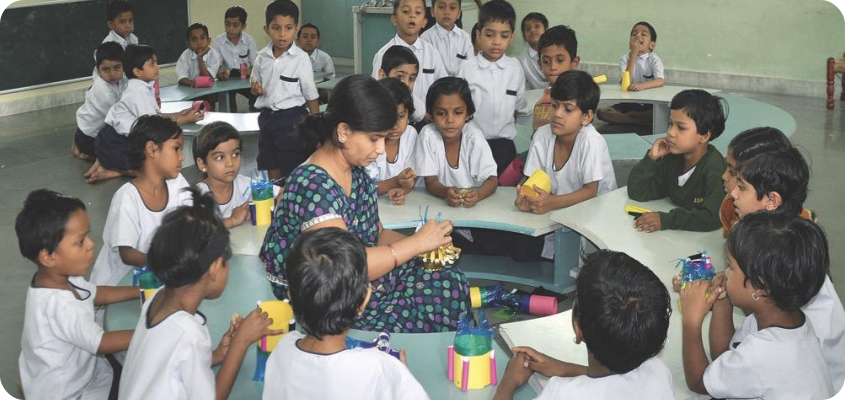
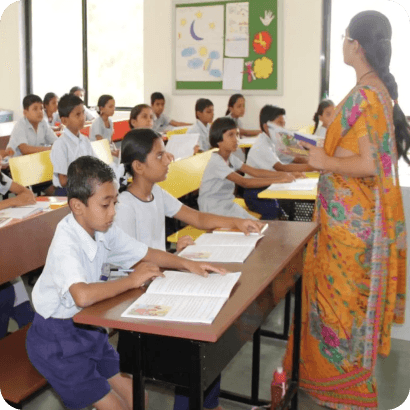
The school was conceived by Dr. Bhavarlal Jain and instituted in Jalgaon to provide quality English Medium Education to the children of the most deprived and underprivileged part of our society.
Opened in 2011, it started with 180 students in Classes I and II. Today the school has 330 students. The children had absolutely no background of an English medium education.
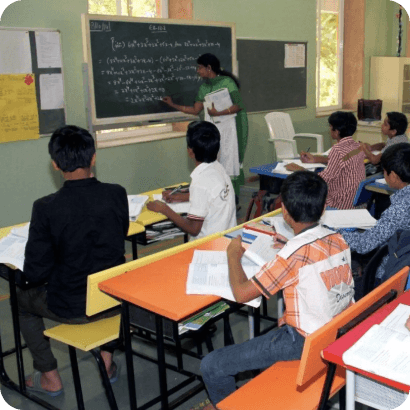
This school is providing quality education with the best facilities. Cocurricular activities of music, dance and fine arts are a regular part of schooling. The school provides nutritious food three times a day. They are also provided with all clothes, books, educational material and medical attention.
Anubhuti's mission is to create a learning environment conducive to nurturing the learners and the educators to be creative, capable and compassionate citizens of character.
The school won the prestigious Wipro Earthian Award for two consecutive years


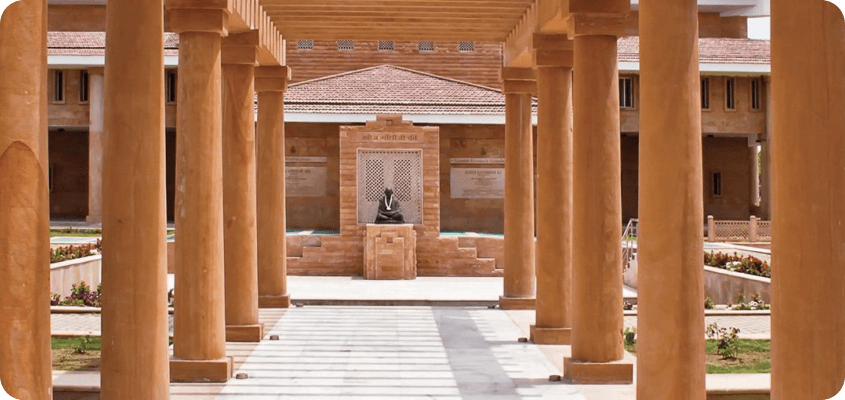
Gandhi Research Foundation endeavors to groom young generation on nonviolence for peace and co-existence, through its academics, field trainings, development interventions, multimedia interactive museum, archives, exhibitions, Khadi training and other outreach actions across the world.
With an annual footfall of 45,000, mostly students, the museum is effective in disseminating the spirit of truth and nonviolence. Gandhi Values for Sustainable Peace (GVSP), a learning network, has reached out to over 150,000 students in 10 years and has also enlightened prison inmates in Maharashtra prisons. The museum has been organizing marginal farmers into producer organization for value addition and marketing; 120 farmers making a net profit of INR 3.56 million annually. It has provided microfinance support, a sum of INR 10.1 million to 1,050 families so far.
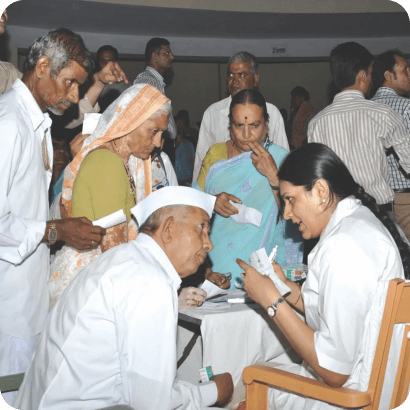
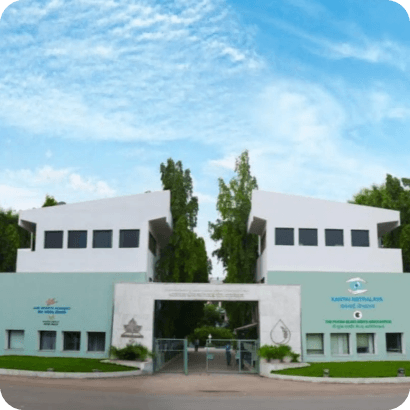
Kantai Netralaya established in January 2016, is an eye hospital supported by our Company Foundation - Bhavarlal Kantaibai Jain Multipurpose Foundation (BKJMF) and run by PBMA's H. V. Desai Eye Hospital Pune with a common goal to eradicate preventive blindness and make Jalgaon a cataract-free district by 2020.
Kantai Netralaya aims at providing comprehensive quality eye care without discriminating between free and paid patients. We conduct regular outreach program in nearby rural areas to create awareness and provide free eye care treatment to the poor and needy. Eye Camps are organized in collaboration with Kantai Netralaya in various villages in Jalgaon, Maharashtra. Cataract surgeries were carried out free of charge for patients identified at these camps.


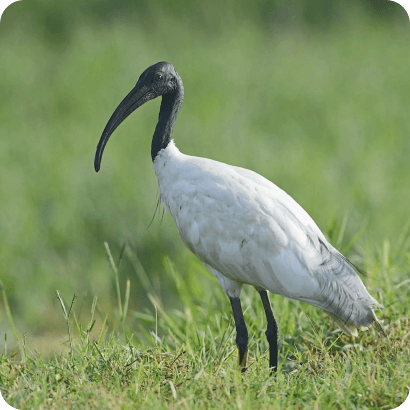
The seeds of biodiversity conservation and enhancement were sown in 1988 when we started soil conservation and watershed development practices at Jain Hills and Jain Valley, our headquarter location in Jalgaon. More than 600 acres of originally barren land is now home to more than 150 plant species and more than 180 notified animal and bird species. We are keen to create and conserve the natural habitats for the native flora and fauna at our business locations. Spanning across 1,200 acres this project is allied with watershed development, soil conservation and guided with systematic biodiversity action plan. This project aligns Jain Irrigation's activities to contribute directly to India's National Biodiversity Targets (NBTs) and the Global Aichi Biodiversity Targets.


| Species | IUCN Status |
|---|---|
| Black-headed ibis and oriental white ibis (Threskiornis melanocephalus) migratory birds in India | Not Threatened |
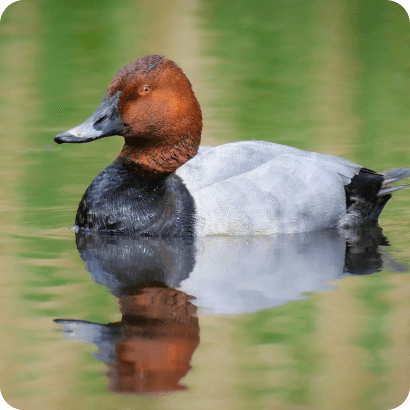
| Common pochard (Aythya ferina) migratory birds in India | Vulnerable |
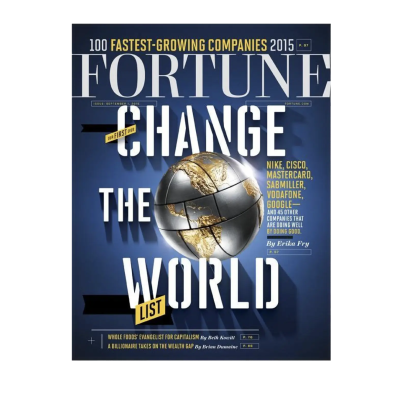
In 2015 Fortune Business Publication published it's first ever list of 51 companies that are 'Doing Well By Doing Good" - companies that have made a sizable impact on major global social or environmental problems as part of of their competitive strategy.
More than 200 nominees were vetted and four criteria were considered: the degree of business innovation involved, the measurable impact at scale on an important social challenge, the contribution of the shared-value activities to the company's profitability and competitive advantage, and the significance of the shared value effort to the overall business.
This school is providing quality education with the best facilities. Cocurricular activities of music, dance and fine arts are a regular part of schooling. The school provides nutritious food three times a day. They are also provided with all clothes, books, educational material and medical attention.
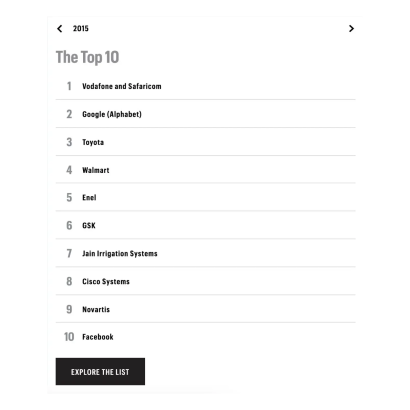
Jain Irrigation was ranked 7th in an impressive list of companies.
Enhancing Skills For The Future
The Kantai Dam is a path-breaking project of a Public-Private Partnership and first-of-its-kind in Maharashtra. After receiving the plan and the go- ahead from the Tapi Patbandhare Vikas Mahamandal, the Jain Irrigation team of engineers swung into action and in a little over 9 months, the Kantai Dam across the Girna river was completed.
In spite of constructing and maintaining the dam with its own resources, we agreed to use only 50% of the water, that too on a duly charged basis, and kept the other half for the community. For us as a food processing company, this dam ensures sustainable and assured supply of water all round the year. It serves the ecosystem, provides year round water availability, reduces flash floods in downstream area and the backwaters support fisheries.
Impact